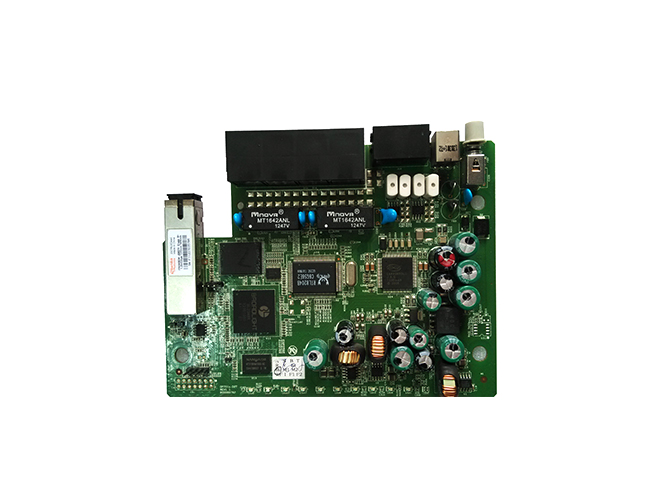
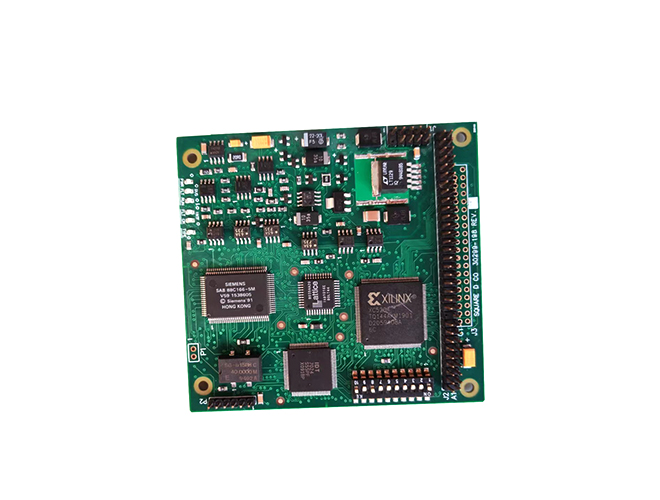
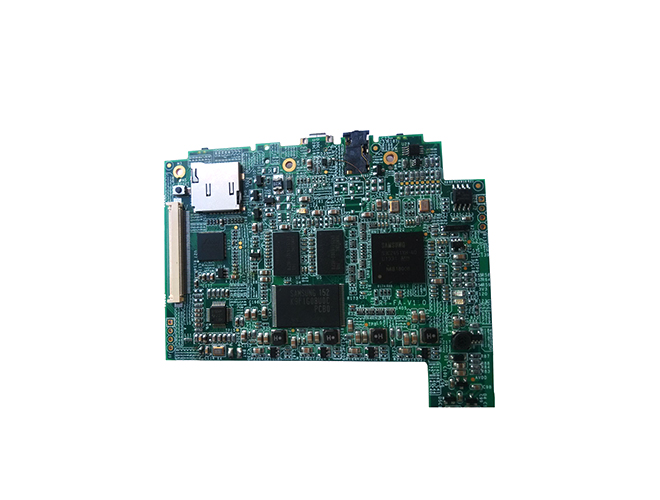
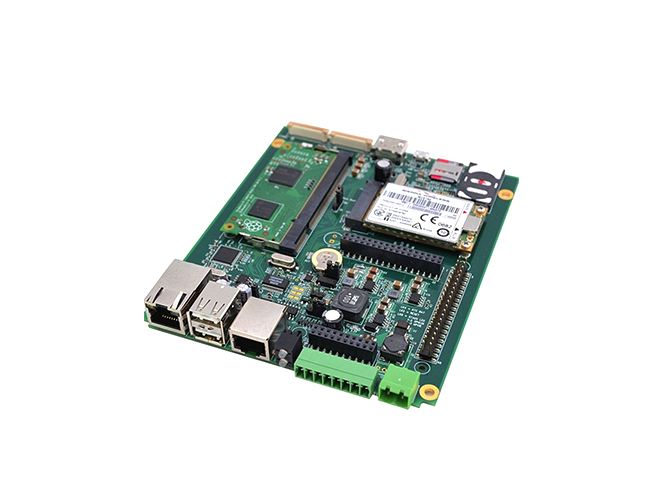
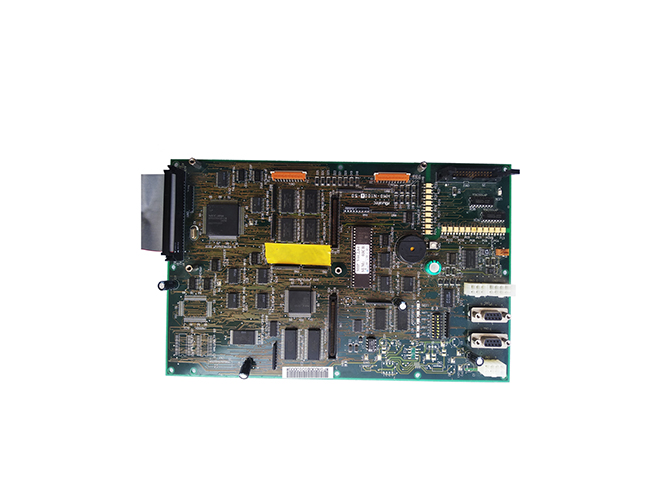
A PCB copy production line refers to a systematic and automated manufacturing setup designed to replicate existing printed circuit boards (PCBs) with high precision and consistency. Unlike original PCB production that starts from design schematics, this production line focuses on reverse-engineering
Mar 05, 2026
1


PCB manufacturing from copy, also known as PCB cloning or reverse engineering manufacturing, refers to the process of reproducing a functional printed circuit board by extracting design data from an existing PCB sample. This technology is widely used in scenarios where original design documents are
Mar 04, 2026
1


PCB Test Pins are specialized electrical connectors designed to facilitate the testing and validation of printed circuit boards (PCBs) during manufacturing, assembly, and quality control processes. These pins serve as temporary, high-precision contact points that establish electrical connections bet
Mar 02, 2026
1


A PCB dust cover is a protective enclosure designed to shield printed circuit boards from dust, debris, moisture, and other environmental contaminants that can degrade performance or cause electrical failures. These covers are essential in applications such as industrial machinery, outdoor electroni
Jan 30, 2026
1


PCB thermal design focuses on managing heat generation and dissipation within a printed circuit board to ensure components operate within their safe temperature ranges, preventing performance degradation, reliability issues, or premature failure. Electronic components—especially high-power devices l
Jan 29, 2026
1


The environmental adaptability of flex-rigid PCBs refers to their ability to maintain structural integrity and electrical performance across a wide range of harsh operating conditions—including extreme temperatures, humidity, vibration, mechanical stress, and chemical exposure. Unlike traditional ri
Jan 27, 2026
1