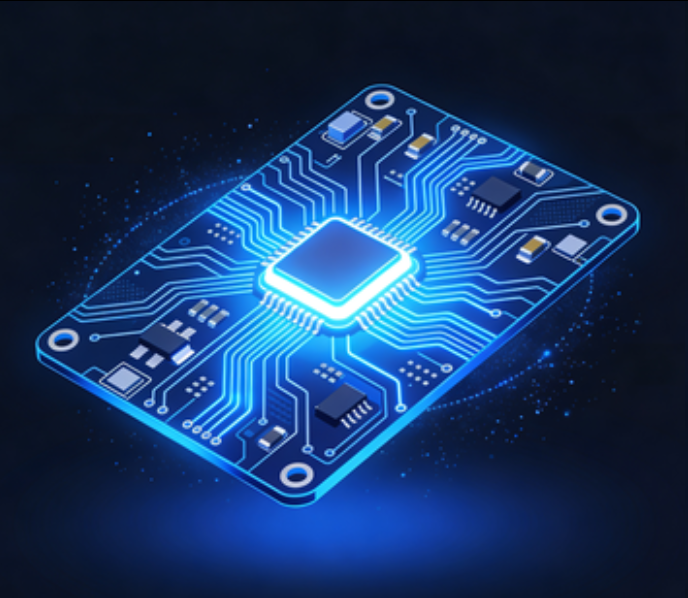
PCB boards dedicated to smart speakers are core components that enable
audio processing, voice recognition, wireless connectivity, and power
management—tailored to the compact size and user-centric features of smart
speakers. These PCBs prioritize low power consumption, high-quality audio signal
transmission, and seamless integration of multiple functional modules,
supporting hands-free voice interaction and audio playback.
Key functional modules include: an audio processing unit (with DAC/ADC
chips like Cirrus Logic CS42L52 to convert digital audio signals to analog for
speakers and capture voice inputs), a voice recognition module (integrating
microcontroller units (MCUs) like ESP32 or Qualcomm QCC5125 to process wake
words and voice commands), and wireless communication modules (Wi-Fi 802.11
b/g/n and Bluetooth 5.0 for connecting to smartphones or home networks). PCBs
use standard FR-4 material (Tg ≥140°C) with 1 oz copper layers, and adopt a 2–4
layer design to fit the speaker’s compact chassis (typically 80mm×100mm or
smaller).
Design considerations include electromagnetic interference (EMI) shielding
for audio circuits to avoid noise affecting sound quality, and efficient power
management (supporting 5V USB input or internal lithium-ion battery power). Many
smart speaker PCBs also integrate LED indicator circuits for status display and
touch-sensitive circuits for manual control. For example, PCB boards for Amazon
Echo Dot use dedicated audio amplifiers to enhance sound output while
maintaining low power use. These PCBs are critical for smart speaker
performance—ensuring clear voice recognition, high-fidelity audio, and stable
connectivity—making them essential for manufacturers in the smart home audio
market.




 Home >


